Wednesday 14 January 2026
Heat and Gestation Monitoring in the Irish Wolfhound
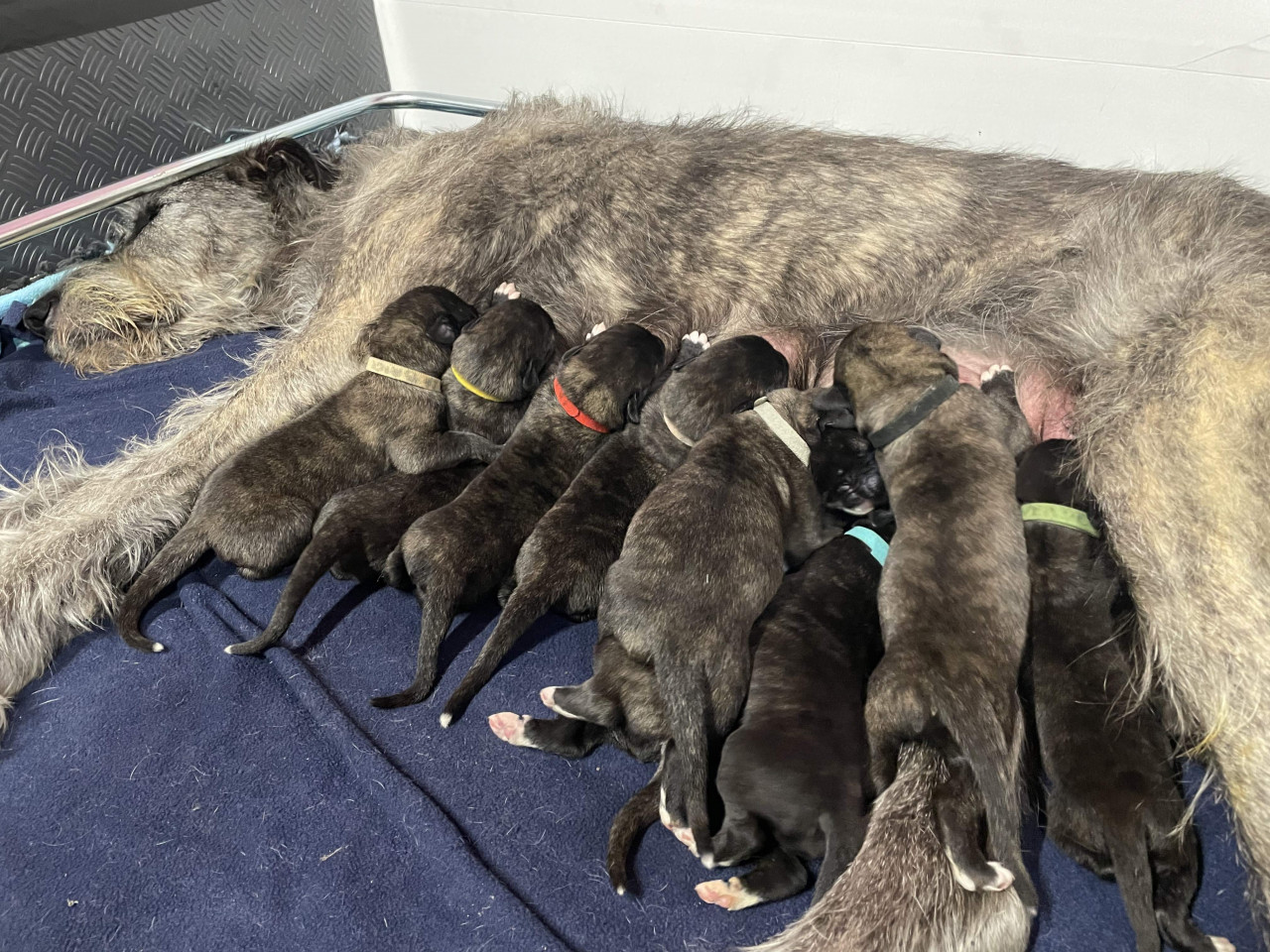
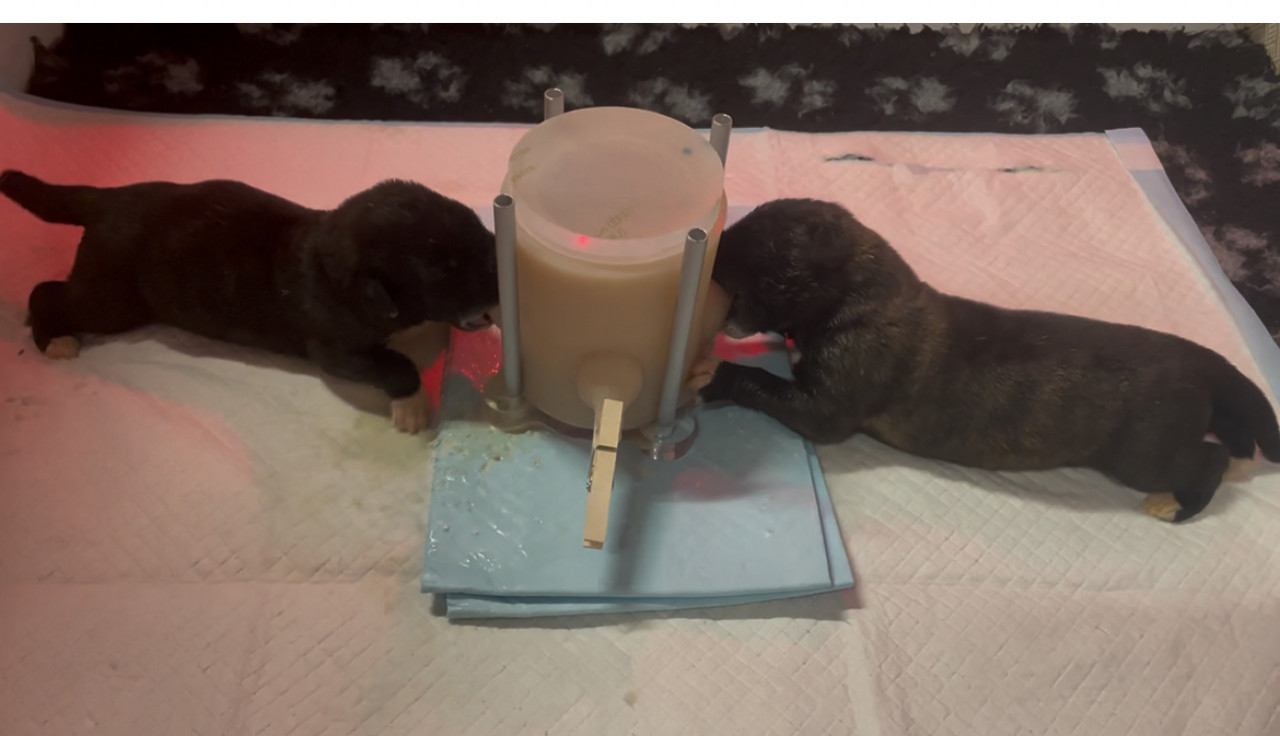
Heat and Gestation Monitoring in the Irish Wolfhound
Progesterone
Based on my experience over the last twenty years, I have learned that reproductive success in the Irish Wolfhound female depends largely on the precise identification of the peak fertility window. Unlike other species, ovulation in the bitch releases immature oocytes that require approximately 48–72 hours to mature and become capable of fertilization, making the timing of mating or insemination crucial.
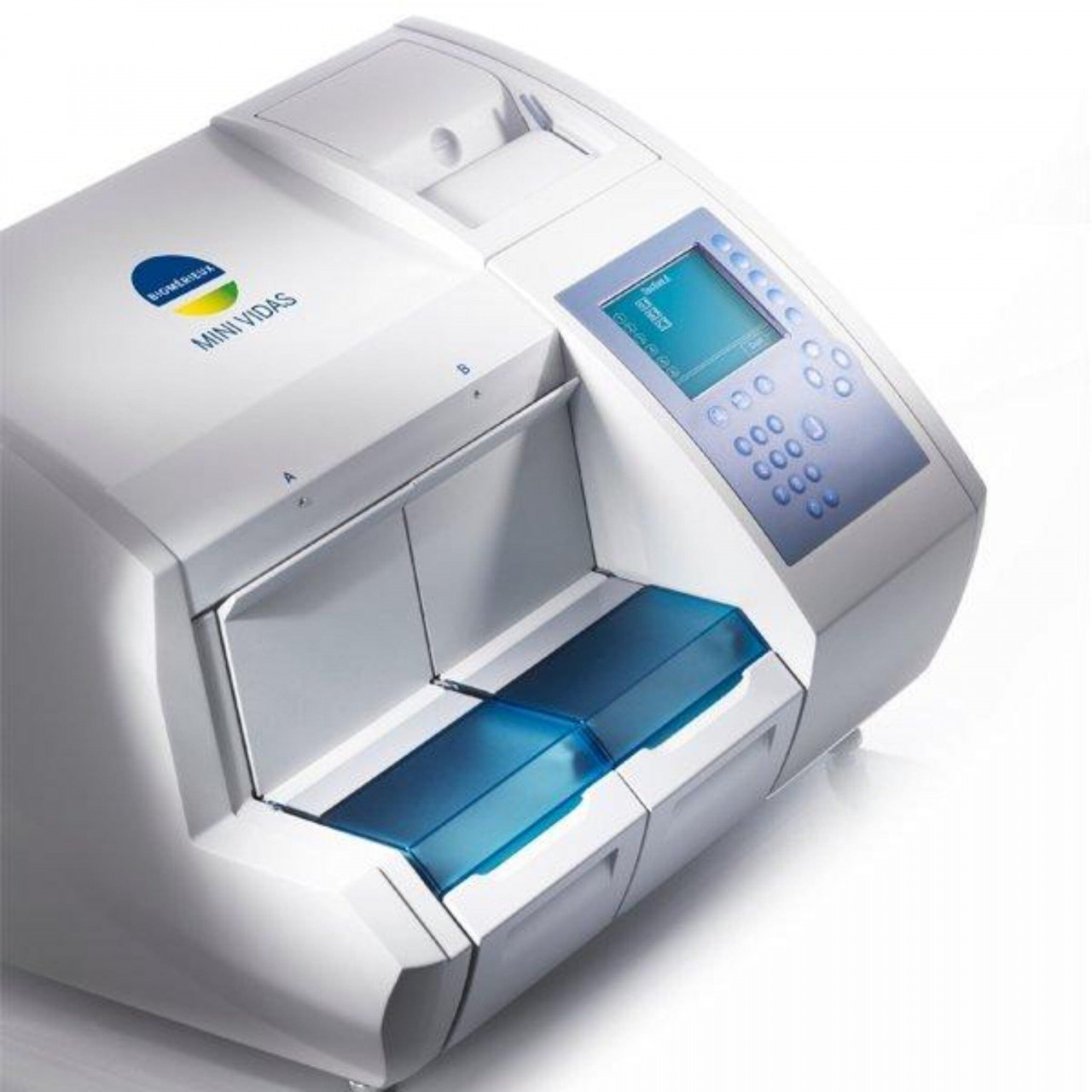
Serum progesterone testing in the Irish Wolfhound is the primary method for monitoring ovulation and defining the fertile period. Veterinarians specializing in reproduction are equipped with professional progesterone assays. I highly recommend the Mini Vidas machine. The Mini Vidas professional canine progesterone assays (by BioMérieux) are laboratory analyzers that allow for the precise quantitative determination of progesterone in canine serum or plasma.
Below are some fundamental points that I have found extremely useful for successful matings.
1. Heat Monitoring and Progesterone Testing
The estrous cycle of the bitch is divided into proestrus (bloody discharge, female not receptive) and estrus (fertile period, female receptive). Monitoring typically begins with proestrus.
Procedures and Timing:
• Start of Monitoring: I recommend starting check-ups (vaginal cytology and initial progesterone testing) at least by the eighth day from the onset of vulvar discharge.
• Testing Frequency: This depends on the values found. With progesterone levels < 2–3 ng/ml (pre-ovulatory phase), the test is repeated every 48 hours (every other day). When progesterone exceeds 3–4 ng/ml (approaching the peak), the frequency increases to every 24 hours.
• The LH Peak and Ovulation: The rise in progesterone is correlated with the Luteinizing Hormone (LH) peak, which triggers ovulation. The LH peak roughly coincides with progesterone levels of 2–3 ng/ml, while ovulation occurs approximately 48 hours after the LH peak, with progesterone between 4 and 8–9 ng/ml.
The Ideal Time for Fertilization:
The optimal fertile period (when oocytes are mature and fertilizable) occurs 2–4 days after ovulation and depends on the chosen technique.
Important Note: In the case of frozen semen, since its viability is reduced, the insemination (which must be intrauterine) should be performed as close as possible to the moment the oocytes are mature (progesterone around 15–20 ng/ml), usually as a single intervention.
2. Gestation Monitoring
Once fertilization has occurred, the diestrus phase begins. In the event of pregnancy, gestation lasts an average of 63 ± 1 days from ovulation.
3. Predicting Labor via Progesterone
Progesterone is useful not only for mating but also for predicting labor.
• During pregnancy, progesterone remains high (up to 80 ng/ml).
• Sign of Imminent Labor: In the final 24 hours before whelping, progesterone levels undergo a sharp drop, reaching values below 2 ng/ml (often < 1 ng/ml).
This hormonal drop triggers the release of prolactin, which initiates labor. The bitch will give birth within 12–24 hours of progesterone falling below the 2 ng/ml threshold. This monitoring is often associated with a drop in rectal body temperature of about 1°C (below 37.5°C) which precedes labor by 12–24 hours.
Expert Supervision: It is essential that all these procedures are performed under the strict supervision of a Veterinarian expert in reproduction. I personally rely on canine reproduction specialists and strongly recommend Dr. Giovanni Majolino and Dr. Ludovica Salamon, who are experts not only in reproduction but specifically in our beloved breed.
Monitoring progesterone levels once a pregnancy is established.
Monitoring progesterone levels once a pregnancy is established is far more than just a "technicality"—it acts as a vital GPS for the final stages, ensuring both the mother’s safety and the puppies' survival. While many breeders focus on progesterone only for timing the mating, its role at the end of gestation is arguably even more critical.
Here is the English breakdown of why this monitoring is essential:
1. Preventing Luteal Insufficiency (Hypoluteoidism)
In some dogs, the ovaries stop producing sufficient progesterone before the puppies are fully developed. This condition, known as luteal insufficiency, can lead to:
- Spontaneous abortion or fetal resorption.
- Premature labor with low survival rates for the litter.
If levels drop below 2–5 ng/ml before day 58–60, a veterinarian may need to administer supplemental hormones to maintain the pregnancy until the puppies are viable.
2. Predicting the Exact Start of Labor
The biological "green light" for labor is the sudden drop in progesterone (known as progesterone withdrawal).
- Above 5 ng/ml: The pregnancy is stable; puppies are still maturing.
- Below 2 ng/ml: The body is actively triggering labor; delivery usually begins within 12 to 24 hours.
Monitoring this drop is the only scientific way to distinguish between a "slow start" and a dangerous uterine inertia (where the mother's body fails to start contractions despite the time being right).
Summary Table: Progesterone Levels & Clinical Meaning
Progesterone Level | Clinical Significance |
> 5 ng/ml | Pregnancy is stable. Fetal lungs are still maturing. |
2 – 5 ng/ml | Pre-labor phase. The body is preparing for birth. |
< 2 ng/ml | Labor is imminent (within 24h). Puppies are ready for birth. |
Clinical and Physical Signs Preceding Labor
As mentioned, the drop in progesterone and temperature are objective signs of imminent labor. However, the female also exhibits clear behavioral and physical signs:
1.Pre-Labor Phases (24–48 Hours Before):
• Ligament Relaxation: The ligaments around the pelvis relax. You can feel the area between the base of the tail and the hip becoming softer.
• Mammary Development: Teats increase in size. In primiparous females (first litter), milk may appear only after labor has started, but in multiparous females, the production of colostrum is common 24–48 hours prior.
• Nesting: The most common behavior. The bitch begins scratching, digging, and arranging her whelping box, seeking a safe, isolated spot.
2. Preparation Phase (12–24 Hours Before):
• Restlessness and Anxiety: Shivering, panting, and pacing.
• Refusal of Food: She often stops eating 12–24 hours before whelping.
• Vomiting: Some females may have a vomiting episode.
• Frequent Urination: Pressure from the puppies in the birth canal may lead to frequent attempts to urinate.
3. Phase I of Labor (6–12 Hours Before):
• Uterine contractions begin (not visible) to dilate the cervix.
• Intense Panting and staring at her flanks or belly.
Recognizing Dystocia (Difficult Labor)
Dystocia is a veterinary emergency. Recognizing the warning signs is crucial:
1. Lack of Progression: Phase I signs persist for more than 12 hours without entering Phase II (active pushing).
2. Delayed Pushing: Strong, visible contractions for more than 30–60 minutes without a puppy being delivered (sign of obstruction).
3. Delay Between Puppies:
• The Irish Wolfhound is known for "languid" labors; the average time between puppies is 60–90 minutes.
• Critical Delay: If the bitch rests for more than 4 hours and you know there are still puppies inside.
4. Abnormal Fluids: A dark green or black discharge (sign of placental detachment) without a puppy being born within 60–90 minutes.
5. Maternal Distress: Extreme weakness, collapse, high fever, or severe abdominal pain.
Post-Partum Care
1. Puppy Care: Ensure the airway is clear. If the mother is too tired to break the sacs, the owner must intervene by rubbing the puppy with a towel. Keep the environment between 29°C – 32°C.
2. Maternal Monitoring:
• Placentas: Ensure the number of placentas matches the number of puppies to avoid infection (metritis).
• Lochia: Dark red or greenish discharge is normal for the first 48 hours, but should not be foul-smelling.
• Mastitis: Check for hard, hot, or painful mammary glands.
3. Nutrition and Eclampsia:
• The nursing mother needs high-quality food (3-4 times the normal caloric intake).
• Watch for Eclampsia: A life-threatening calcium deficiency. Signs include nervousness, muscle stiffness, and tremors.
Requires immediate veterinary intervention.