Thursday 29 January 2026
What to do if your Irish Wolfhound has pneumonia? Advice from the breeder.
Pneumonia is a serious condition for any dog, but when we talk about the Irish Wolfhound, the issue takes on a particularly urgent nature.
These “gentle giants” have a physical structure and a genetic predisposition that make lung infections potentially fulminant.
Below is a detailed analysis of what you need to know and what requires the utmost attention.
What is pneumonia in dogs?
In simple terms, it is an inflammation of the lung tissue, usually caused by an infection. It can be classified according to its cause:
- Bacterial: Often secondary to viral infections (such as kennel cough).
- Aspiration pneumonia: When food, liquids, or regurgitated material enter the lungs.
- Viral or fungal: Less common but equally serious.
Classic symptoms:
- Cough (often deep or “wet”).
- Difficulty breathing and increased resting respiratory rate.
- Lethargy and depression.
- Loss of appetite and fever.
- Nasal discharge.
The Irish Wolfhound: a special case
In the Irish Wolfhound, pneumonia is not just an illness — it is a critical emergency.
This breed is prone to what many enthusiasts and veterinarians call “Irish Wolfhound Pneumonia”, often linked to Recurrent Aspiration and Airway Disease (RAAD).
Why are they so vulnerable?
- Chest conformation: The very deep chest can affect respiratory dynamics and the ability to expel mucus or irritants.
- Extremely rapid progression: An Irish Wolfhound can go from a mild cough to septic shock or respiratory failure in less than 24–48 hours.
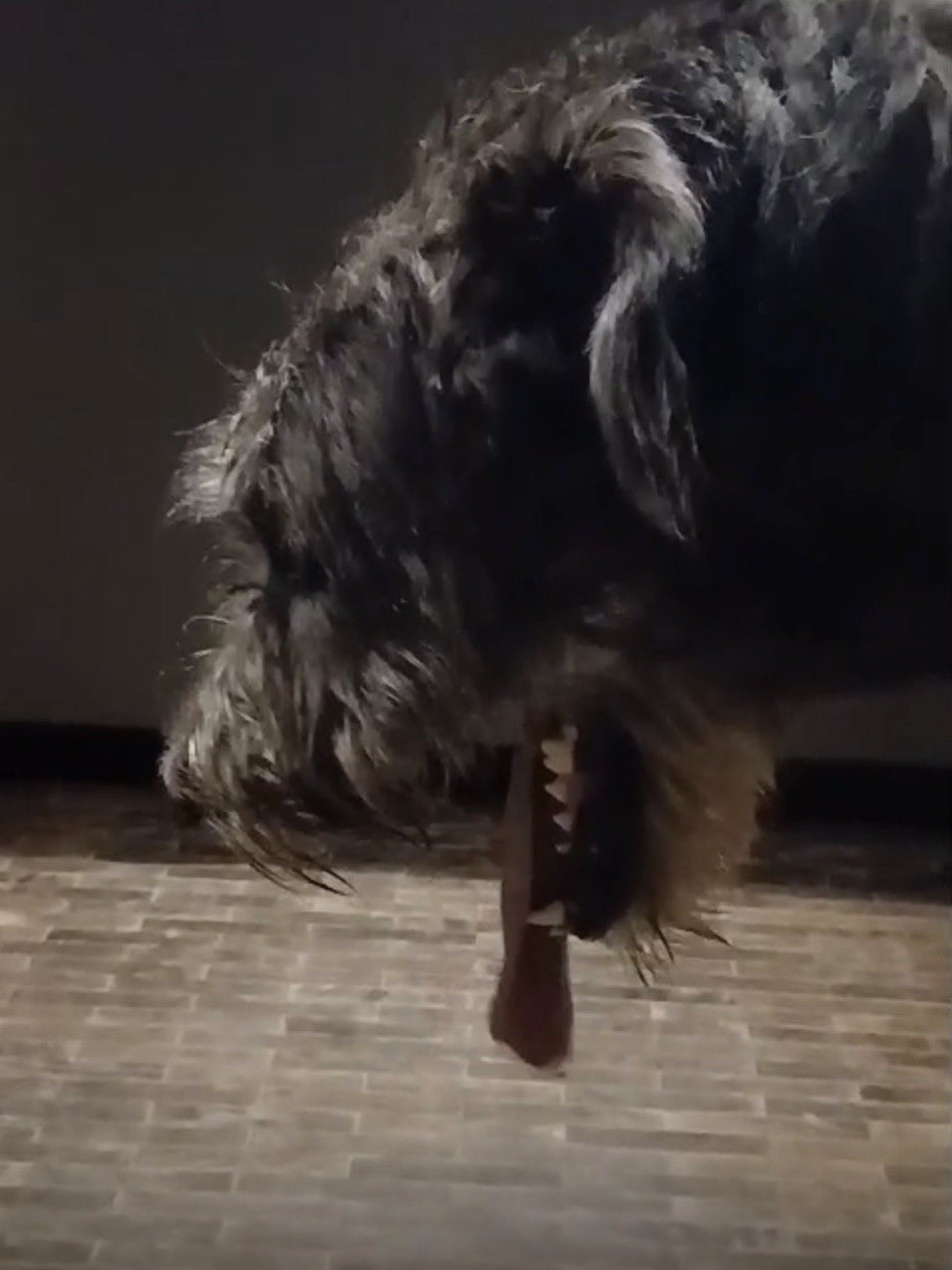
- Subtle symptoms: Unlike other breeds, the Irish Wolfhound may hide discomfort until the condition is very severe. Often the only early sign is mild lethargy or holding the head low with the neck stretched forward to facilitate airflow.
Important note: If an Irish Wolfhound stops eating or seems unusually tired, do not wait until the next day. Prompt action is the life-saving factor in this breed.
Aspiration pneumonia and megaesophagus
Many Irish Wolfhounds experience pneumonia episodes due to micro-aspirations. This may be linked to:
- Megaesophagus or esophageal hypomotility: Food does not move properly into the stomach and is aspirated into the lungs.
- Laryngeal paralysis: Common in elderly giant breeds, it prevents the larynx from closing properly during swallowing.
What to do in case of pneumonia in an Irish Wolfhound
(Emergency protocol, advice, and medications to use)
I strongly recommend that all enthusiasts of our breed read the pneumonia protocol together with the article on causes and risk factors for pneumonia prepared by the Irish Wolfhound Foundation (USA) and the Irish Wolfhound Health Group (UK).
Below you will find the official link.
Official link:
CLICK HERE FOR THE OFFICIAL LINK IN ENGLISH
Please note that in the official protocol an important antibiotic commonly used in Europe to treat pneumonia is not mentioned.
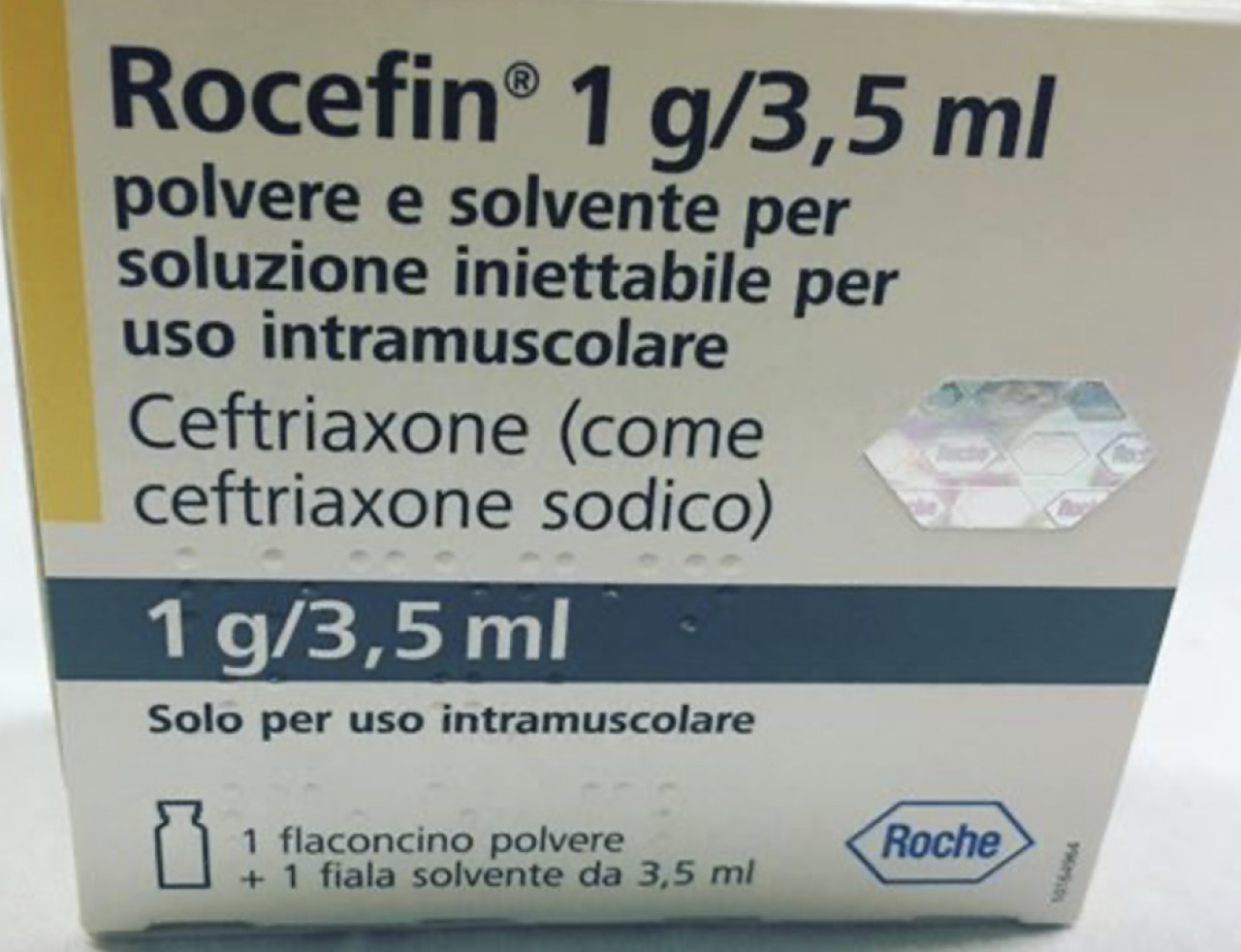
The human-use antibiotic called “Rocefin”, whose active ingredient is ceftriaxone (a cephalosporin antibiotic), is not commercially available in the United States.
However, it is marketed in Italy by Roche. It is a human antibiotic used for adults and children, including newborns, for various bacterial infections. A generic version is also available.
Below are my personal recommendations regarding medications to use specifically in cases of bacterial pneumonia.
First of all
At the appearance of the symptoms described in the attached Irish Wolfhound Pneumonia Protocol, immediately consult your breeder and your trusted veterinarian.
Once the onset of pneumonia has been confirmed, I strongly advise starting the following therapy immediately.
- Depending on severity, inject 1 or 2 g of Rocefin intramuscularly every 12 hours for two doses, then continue with 1 g per day.
- Please note that stopping treatment too early often leads to recurrent pneumonia.
The usual duration is to continue treatment for two additional weeks after all signs of infection have resolved.
In cases of recurrent pneumonia, 4–6 weeks of antibiotics may be beneficial.
If no rapid improvement is seen within approximately 24 hours, I recommend adding another antibiotic: Zitromax (azithromycin), which belongs to the macrolide group of antibiotics that inhibit the growth of susceptible bacteria.
This should be given at double the standard dose, i.e. two 500 mg tablets per day.
In addition to antibiotics, SOLDESAM may be administered intramuscularly. It contains dexamethasone, a corticosteroid medication.
Another important recommendation is to bring the official Irish Wolfhound pneumonia protocol with you when visiting the veterinarian, so they can read it and familiarize themselves with it if they are not already aware.
Below is also the YouTube link where you can see an Irish Wolfhound with pneumonia, published by the IW Foundation:
https://youtu.be/maPHkTOKRfs?si=ZSjoPSOuvMzxUy1S
Preventive vaccinations
Another important piece of advice I can give you as a breeder is to vaccinate your beloved Irish Wolfhound against kennel cough.
I strongly recommend the kennel cough vaccine at least once a year, preferably twice a year.
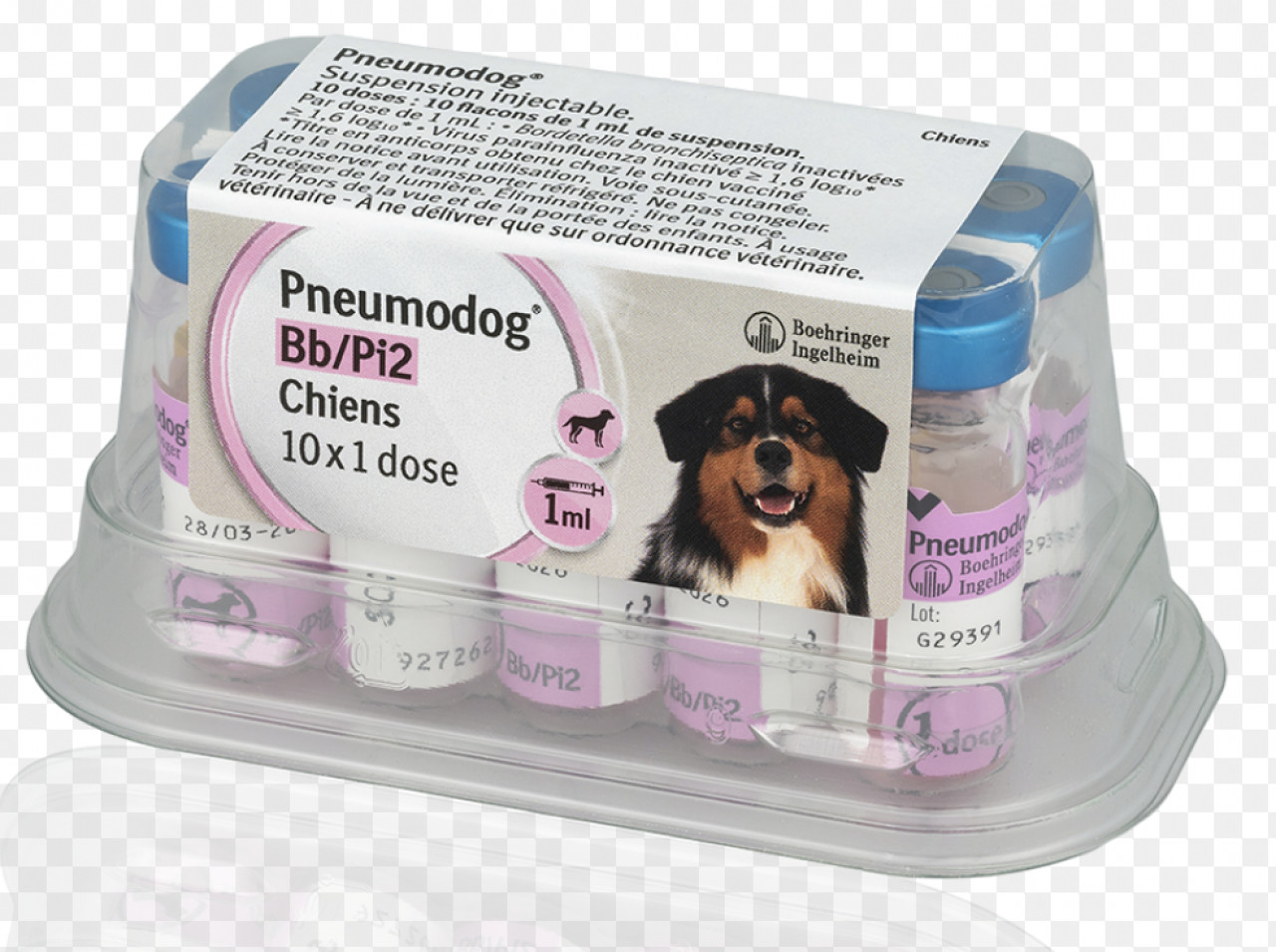
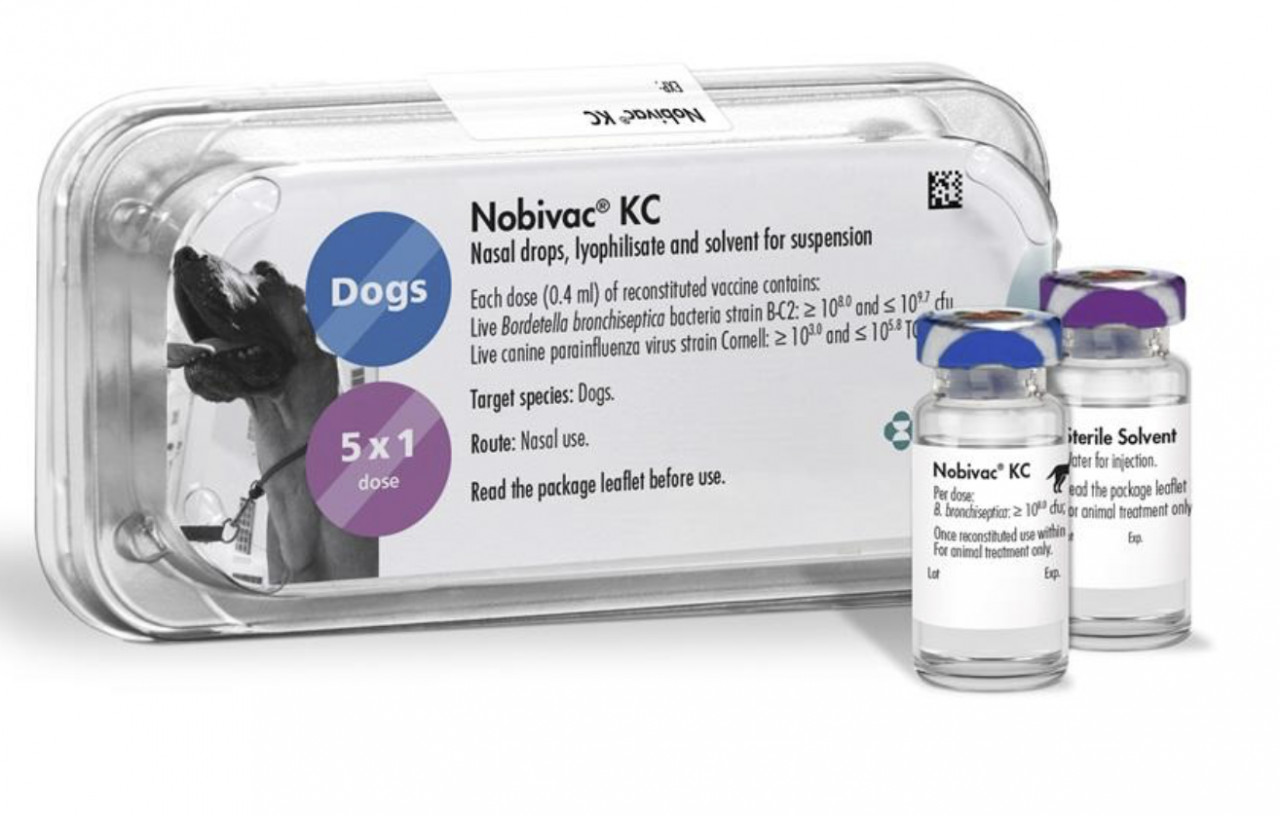
Personally, I alternate every six months between the intranasal vaccine and the subcutaneous vaccine (Pneumodog).
Consult and discuss this with your trusted veterinarian, emphasizing the seriousness of pneumonia in the Irish Wolfhound.
The kennel cough vaccine (Canine Infectious Tracheobronchitis) is a fundamental tool, especially for Irish Wolfhound owners, because — as we have seen — a simple cough can rapidly progress to pneumonia in this breed.
The vaccine generally protects against Bordetella bronchiseptica and the canine parainfluenza virus. Below are the main differences between the two administration methods:
1. Intranasal vaccine (nasal spray)
Often considered the “gold standard” for rapid protection.
· How it works: A small amount of liquid is sprayed directly into the nostrils.
· Mechanism of action: Stimulates local immunity (IgA) directly on the respiratory mucosa — essentially “training the guards at the front door.”
Advantages:
· Speed: Protection begins within 3–5 days.
· Single dose: Usually only one administration is required (no booster after 3 weeks for first-time use).
· Local effectiveness: Very effective at reducing bacterial shedding even if the dog becomes infected.
Disadvantages:
· Mild reactions: Sneezing or slight nasal discharge for a few days (a normal immune response).
· Handling: Many dogs dislike having something sprayed into their nose, making administration a bit challenging. It is important that during administration (with the dog’s nose held upward) the dog does not sneeze the vaccine out. Rely on an experienced veterinarian.
2. Subcutaneous vaccine (injection)
The classic injection given between the shoulder blades or on the flank.
· How it works: Injected into the subcutaneous tissue.
· Mechanism of action: Stimulates systemic immunity (IgG) through the bloodstream.
Advantages:
· Ease of administration: Much easier if the dog resists having its muzzle handled.
· Fewer local reactions: No sneezing or nasal discharge after vaccination.
Disadvantages:
· Booster required: The first time it is administered, two doses are needed 2–4 weeks apart.
· Slower protection: Full protection is achieved only after the second dose.
· Lower local immunity: While it protects against severe symptoms, it is less effective than the intranasal vaccine at blocking infection at its entry point (nose and throat).
Quick comparison table
Feature | Intranasal | Subcutaneous |
Speed of protection | Very fast (3–5 days) | Slower (weeks) |
Initial doses | 1 dose | 2 doses (21 days apart) |
Type of protection | Local (mucosal) and systemic | Mainly systemic |
Side effects | Sneezing, nasal discharge | Possible swelling at injection site |
A small “myth to debunk”
The vaccine does not guarantee that the dog will never get kennel cough, but it does ensure that if the dog does get it, symptoms will be very mild and the risk of the infection “moving down” into the lungs and becoming pneumonia is drastically reduced.